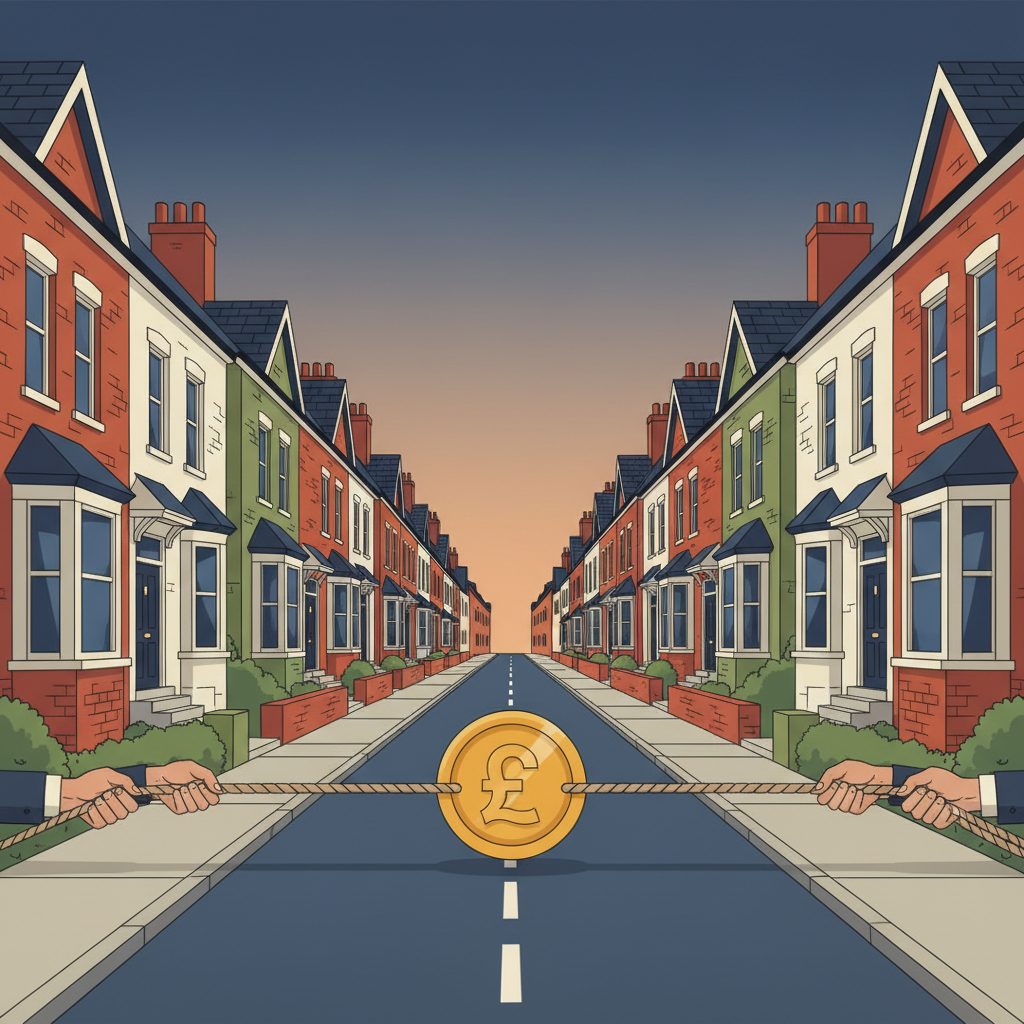
The Tug-of-War for Your Wallet, February 2026 Inflation & Affordability Update
Imagine for a second that you’ve just stepped out of your front door into a brisk February morning. What if every time you reached into your pocket for a pound coin, you found it had shrunk just a fraction since the last time you used it? It’s a strange, invisible process, isn’t it? That’s essentially what inflation does to our lives. It’s the silent force that makes your Saturday morning flat white cost 15p more than it did last year, or why filling up the car for a weekend trip away feels like a heavier hit to the bank balance than it used to.
As we navigate the middle of February 2026, I want to break down the "good news/bad news" reality of the UK economy. It’s a bit of a tug-of-war, and depending on which side of the rope you’re looking at, the view changes quite a bit.
The Bad News: Prices Are Still Climbing
Let’s start with the hard truth. CPI inflation—the standard yardstick for how much stuff costs us—is currently sitting at 3.6%. In plain English: if a basket of groceries cost you £100 this time last year, that same basket is now setting you back £103.60. While that’s significantly lower than the wild price spikes we saw a couple of years ago, it still means our money has to work harder just to stand still. With the Bank of England Base Rate holding at 3.75%, borrowing isn't "cheap" in the historical sense, though it has found a more stable rhythm.
The Good News: Your Pay Packet is Winning the Race
Here is where the narrative shifts. While prices are up, the money coming into our households is growing faster. Average earnings have seen an annual growth of 4.8%.
The Affordability Signal: This creates a vital gap. If your wages are growing at 4.8% but the cost of living is only rising by 3.6%, you are experiencing positive real wage growth of approximately 1.2%. Your purchasing power—the "muscle" behind your money—is actually getting stronger.
For the first time in a while, it feels like we aren't just chasing the inflation dragon; we’re actually gaining a little ground on it.
What This Means for Your Home Moves
This 1.2% gain might seem small, but in the world of mortgages and moving, it's a monumental shift. When people feel like they have a little extra "breathing room" in their monthly budget, the prospect of a larger mortgage or a first-time purchase feels much less daunting.
If you are thinking of remortgaging, this wage growth acts as a safety net against the current interest rates. If you are looking to move, it means your "affordability" in the eyes of a lender is slowly but surely ticking upwards.
The View from CM11 1
How does this national tug-of-war trickle down to us here in CM11 1? Well, we are currently navigating a "Seller’s Market" with 68 properties recently analysed across the patch. While the national average suggests more spending power, the local stakes in CM11 1 remain high.
With an average asking price here of £913,515, that extra 1.2% in purchasing power is essential. It helps buyers bridge the gap between our local sold prices (averaging £716,738 over the last 12 months) and those aspirational asking prices. For landlords in CM11 1, inflation affects maintenance and insurance costs, but the strong demand—evidenced by properties moving in an average of 66 days—suggests that the local market remains resilient despite the wider economic pressure.
Looking Ahead
It’s easy to get bogged down in the percentages, but the takeaway for February 2026 is one of quiet optimism. We are no longer in a cost-of-living "freefall." Instead, we are entering a period where your hard work is finally starting to outpace the rising cost of the weekly shop.
The road ahead looks steadier. Whether you’re staying put or planning a move, the ground beneath your feet is becoming a lot more solid.
---